Updated · Water Damage Flagstaff
The short answer
After a wildfire evacuation, wait for the all-clear, then air the house out, replace HVAC filters and keep the system off until ash is cleaned. Remove ash with a HEPA vacuum and damp wiping, never dry sweeping. Wash fabrics, throw out exposed food, and clean or replace swamp cooler pads. If odor persists or soot coated walls and ducts, professional smoke cleanup with air scrubbing and odor treatment is needed.
Before you go back inside
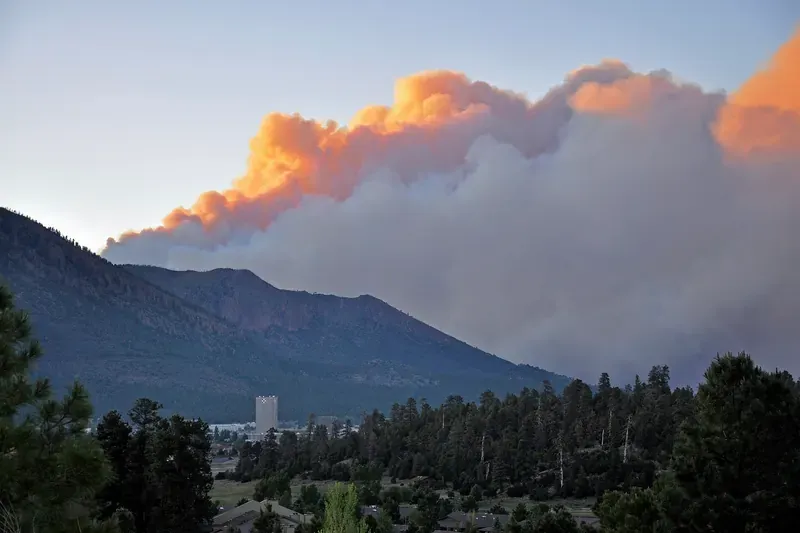
Flagstaff's recent fires, including the Tunnel and Pipeline Fires in 2022, sent thousands of residents out of their homes. Coming back is a relief, but a smoke-filled house has hazards that are easy to miss.
- Wait until officials lift the evacuation order and say roads are open.
- Walk around the outside first. Look for smoldering spots in mulch, decks, wood piles and under eaves; embers can smolder for days.
- If you smell gas, leave and call the utility.
- Check that power lines to the house are intact before turning on the main breaker.
- Bring N95 masks, gloves and a flashlight. Ash is fine enough to reach deep into the lungs.
First day home: air, filters and power
Open windows and doors if the outdoor air quality is good; check the current reading on AirNow first. Replace the furnace filter before turning the HVAC on, and keep the system off entirely if ash got into the return or the ductwork, or it will spread soot through every room. Evaporative coolers, still common in Flagstaff, pull outside air straight in; if yours ran during the fire, its pads are likely full of ash and should be replaced before use.
Check the refrigerator. If the power was off for more than a few hours, or smoke got inside, throw out perishable food. Food left out on counters or in open containers should go too, along with medicines and cosmetics exposed to heat or smoke.
How to clean wildfire ash safely
Wildfire ash is not like fireplace ash. It can contain residue from burned buildings, vehicles and chemicals, and it is very fine. The rule is to keep it from going airborne.
- Wear protection. N95 mask, gloves, long sleeves and eye protection.
- Vacuum first, with HEPA only. A standard household vacuum blows fine ash back into the room. Use a HEPA vacuum on floors, sills, window tracks and upholstery.
- Damp wipe hard surfaces. Use a lightly damp cloth with mild soap, rinsing often. Do not dry sweep or use a leaf blower indoors.
- Work top to bottom, one room at a time, and change cloths frequently.
- Launder fabrics. Wash clothes, bedding and curtains; heavily smoked items may need professional cleaning with deodorizers.
- Outdoors, wet ash down lightly before sweeping it, and keep it out of storm drains.
Children, older adults, pregnant people and anyone with asthma or heart disease should stay out of the house while ash cleanup is happening.
Smoke odor that won't go away
Smoke odor comes from residue, not from the air itself. It settles into drywall, wood, insulation, carpet, closets and ductwork, and it comes back on warm or humid days, which in Flagstaff means the summer monsoon right after fire season. Air fresheners and open windows only mask it.
If the smell persists after you have cleaned surfaces and laundered fabrics, or if you see a gray film on walls, light switches and ceiling corners, the house needs professional smoke and soot cleanup: HEPA air scrubbing, cleaning matched to the soot type, duct cleaning, and odor treatment such as thermal fogging or hydroxyl generators. Surfaces that still hold odor are sealed with a shellac-based primer before repainting.
Heat and fire damage you might miss
- Vinyl siding, window frames and screens that warped or melted on the fire-facing side.
- Roof and gutters with ember burns or melted gutter guards.
- Attic and soffit vents where embers or ash got in.
- Water damage from firefighting, if crews sprayed the house or roof to protect it. That water needs drying like any other leak; see water mitigation.
- Wells and water systems in rural areas, which may need testing before you drink the water.
If the house itself caught fire, even partly, the job becomes fire damage restoration with board-up, structural assessment and rebuild.
Insurance for wildfire smoke damage
Most homeowners policies cover smoke damage from a nearby wildfire even if flames never reached the house, and many cover additional living expenses during a mandatory evacuation. Document everything before cleaning: photos of ash on surfaces, soot on walls, damaged items and the outside of the home, plus notes on the evacuation dates. Keep receipts for hotels, food and cleaning supplies. File promptly, because insurers often set deadlines after a declared disaster. The insurance guide covers how to file a strong claim.
Getting ready for the next fire season
Flagstaff's forest-edge neighborhoods, from Timberline and Fernwood to Kachina Village and Mountainaire, will see more fire seasons. Clearing defensible space around the house, keeping gutters free of needles, installing fine mesh over vents, and keeping a few N95 masks and spare HVAC filters at home all make the next return easier. After a fire, also remember that the burned slopes above town raise flood risk for years; the burn scar flooding guide explains what to do before the monsoon.
Cars, garages and outdoor items
Ash settles on everything outside, and some of it ends up back in the house. Wash vehicles with plenty of water before driving them, since ash scratches paint and clogs cabin air filters; replace the cabin filter if the car was parked outside during the fire. In the garage, wipe down stored items and replace the furnace filter if the furnace or water heater sits there. Rinse patio furniture, children's toys and pet bowls before use. Do not let kids play in ash, and keep pets from tracking it inside until the yard has been watered down and swept. If you grow vegetables, wash produce thoroughly; the ash may carry residue from burned structures.
Related questions
Is it safe to clean wildfire ash myself?+
Light ash can be cleaned with an N95 mask, gloves, a HEPA vacuum and damp wiping. Heavy soot, persistent odor or ash in the ducts needs professional cleaning.
Does insurance cover smoke damage if my house didn't burn?+
Usually yes. Most homeowners policies cover smoke damage from a nearby wildfire. Document the damage before cleaning and file promptly.
Should I replace my swamp cooler pads after a wildfire?+
Yes, if the cooler ran during the fire or ash reached it. Pads trap ash and will blow smoke smell into the house until replaced.