Updated · Water Damage Flagstaff
The short answer
The most common signs of hidden water damage are a musty or earthy smell, stains or bubbling paint on walls and ceilings, soft or cupping floors, warped baseboards, loose tiles, a water bill or well pump that runs more than usual, and mold spots in corners or cabinets. In Flagstaff homes, check crawl spaces, attics after snowmelt and walls behind showers and sinks first.
12 signs of hidden water damage
- A musty, earthy smell that is stronger in one room, a closet, under a sink or coming from floor registers.
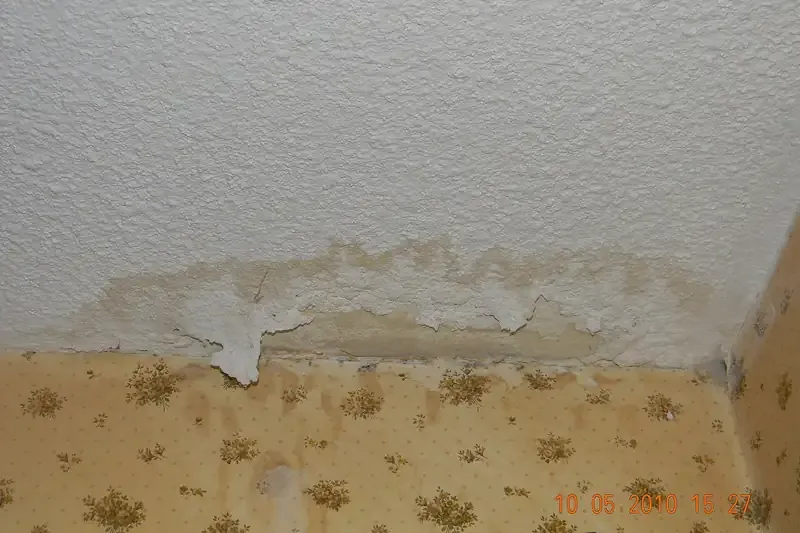
- Stains on ceilings or walls, usually brown or yellow rings that grow slowly.
- Bubbling, peeling or cracking paint and wallpaper, especially near the floor or around windows.
- Soft or spongy floors, particularly around toilets, tubs, dishwashers and the refrigerator.
- Cupping or buckling wood and laminate, where boards curl up at the edges or lift at the seams.
- Swollen baseboards and door casing, common with MDF trim that wicks water.
- Loose or cracked tiles and crumbling grout over a damp subfloor.
- A higher water bill with no change in use, or a well pump that cycles when nobody is using water.
- The sound of running water with everything turned off.
- Dark spots or fuzzy growth in corners, behind furniture, inside base cabinets or on the backs of baseboards.
- Rust or corrosion on water heater fittings, valves or pipes in the garage and crawl space.
- Allergy-like symptoms at home that ease when you leave.
One sign on its own can be innocent. Two or three together, especially a smell plus a stain or a soft floor, almost always mean a leak.
Where hidden leaks start in Flagstaff homes
Flagstaff's climate creates its own list of hiding places.
- Crawl spaces. Many homes on the east side, in Doney Park and in the county areas sit over crawl spaces where snowmelt, a slow plumbing drip or monsoon runoff can sit for weeks.
- Attics. Ice dams and wind-driven snow wet insulation, and bath fans vented into the attic leave frost that melts and stains the ceiling. See ceiling water damage.
- Exterior walls. A pipe that froze last winter and developed a hairline split can leak slowly into a wall for months.
- Behind showers and tubs. Failed grout, caulk or shower pans soak the framing behind the tile.
- Under sinks and dishwashers. Supply lines and drain connections drip into the cabinet floor and subfloor.
- Water heaters in garages and closets. Many lack drain pans, so slow leaks spread under walls.
- Flat roofs and parapets, common on Sedona homes and older Flagstaff additions, where water runs inside the wall before showing.
How to check for a hidden leak yourself
The water meter test
Turn off every faucet, appliance, irrigation and ice maker. Look at the meter, usually in a box near the street, and note the reading or watch the small leak indicator dial. Wait an hour without using water. If the reading changed or the indicator moved, water is leaking somewhere. On a well system, listen for the pump cycling when nothing is running.
The walkaround
Use a flashlight and your nose. Open every sink cabinet and look at the floor of the cabinet. Press on the floor around toilets and tubs. Check ceilings below bathrooms. Look along baseboards on exterior walls. In winter, check the attic after a sunny week following a storm. After a monsoon storm, look into the crawl space with a light from the access panel.
When to call for a moisture inspection
Professional moisture meters and thermal cameras find wet areas behind walls and under floors without tearing anything open. If you have more than one sign, a musty smell that will not go away, or a stain that keeps growing, an inspection is cheaper than guessing. The crew can also tell you whether drying alone will do or whether materials need to come out.
What hidden water damage leads to
Slow leaks do their damage quietly. Within days, wet drywall and wood can start growing mold; the mold after water damage guide explains the timeline. Over weeks, subfloors soften, tile loosens and particleboard cabinets swell. Over months, framing can rot, especially sill plates in crawl spaces and the bottom of walls behind showers. Insurers also treat long-term leaks differently from sudden ones; damage from a leak that went on for months is often excluded, as the insurance guide explains.
Hidden damage after a known event
Sometimes the leak is not hidden, but the damage is. After a burst pipe, a toilet overflow or a roof leak, water often travels farther than it looks: into the wall behind, under the floor of the next room, or down into the crawl space. That is why restoration crews map moisture before and during drying instead of just drying the visible puddle. If you dried a leak yourself with towels and fans, a follow-up moisture check a few days later is a good idea. See water mitigation for how professional drying is verified.
Fixing it
Every hidden leak follows the same order: find and stop the source, remove water and materials that cannot be dried, dry the structure until readings are back to normal, treat any mold, then rebuild. The water removal and water damage repair pages cover the first and last steps. If mold is visible or the smell is strong, start with mold remediation.
A seasonal inspection routine
Hidden leaks follow the seasons in the high country, so a short walkaround at the right times catches most of them.
- Late fall: disconnect hoses, check heat tape, look under every sink and around the water heater before the first hard freeze.
- After the first big thaw: look in the attic for wet insulation or frost stains and check ceilings near exterior walls.
- Spring snowmelt: open the crawl space access and look for standing water, a wet vapor barrier or a damp smell.
- After the first monsoon storms: check ceilings below flat roof sections, window sills and the crawl space again.
- Any time the water bill jumps: run the meter test.
Related questions
How do I know if water is leaking inside a wall?+
Look for stains, bubbling paint, soft drywall, a musty smell or warped baseboards along that wall. A water meter test confirms a leak; a moisture meter or thermal camera pinpoints it.
Can hidden water damage cause mold?+
Yes. Wet drywall and wood can grow mold within 48 to 72 hours, and hidden leaks often run for weeks before anyone notices.
Does insurance cover hidden water damage?+
Sudden, accidental leaks are usually covered. Damage from slow leaks that went on for a long time is often excluded as gradual or maintenance-related.